Vacuum packaging removes air from a package before it is sealed, but the result depends on product condition, pouch compatibility and the validated process. It does not sterilize the product. For food applications, storage conditions and shelf life must be established for the particular product and process, rather than inferred from the machine name.
What determines the useful chamber size?
Measure the filled pouch, including the space needed to position its mouth across the seal bar. Record product height and whether it can be compressed. Ask the supplier to demonstrate how many of your actual packs fit in the chamber without overlap or obstruction, and whether any inserts or different bar arrangements are required.
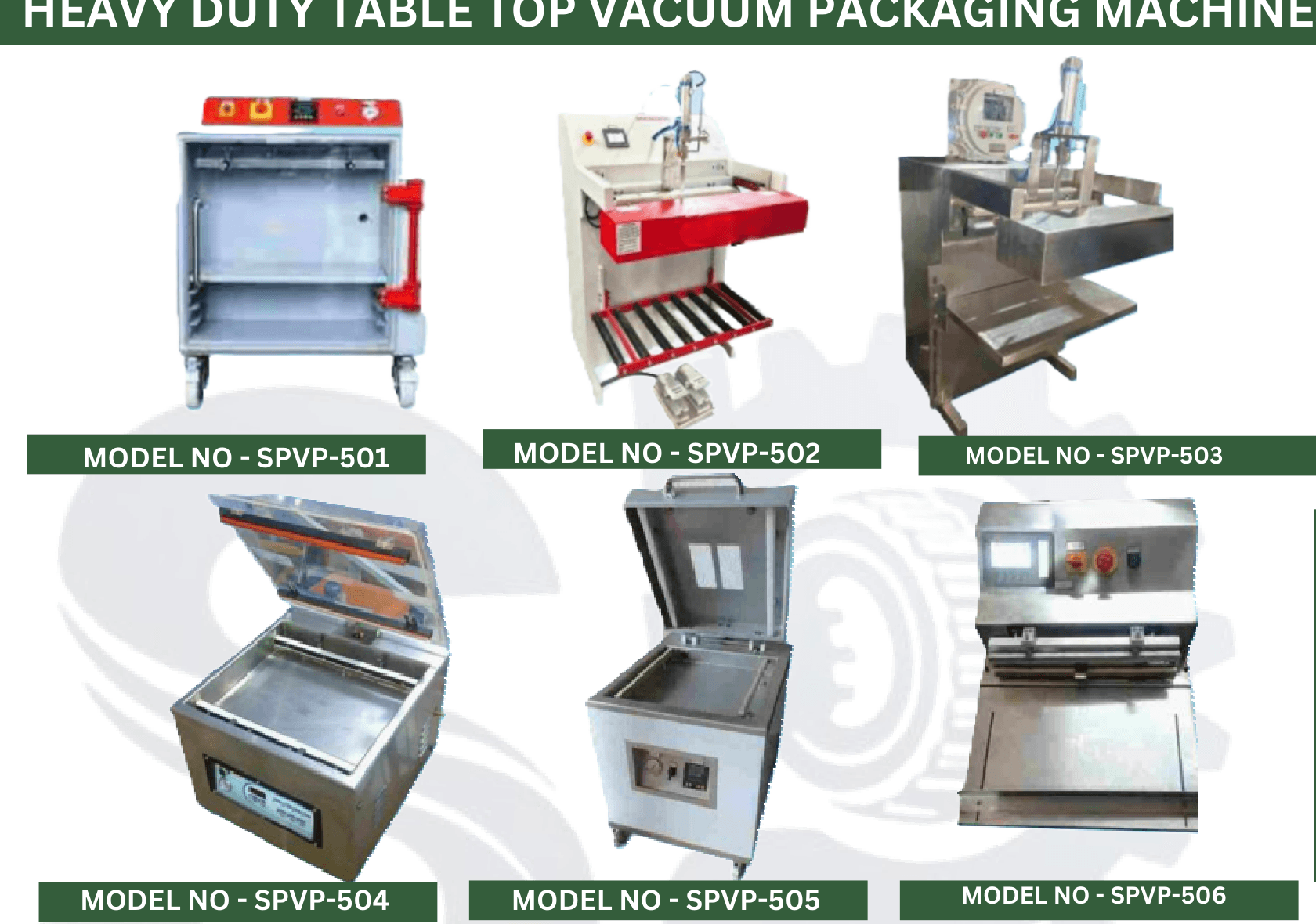
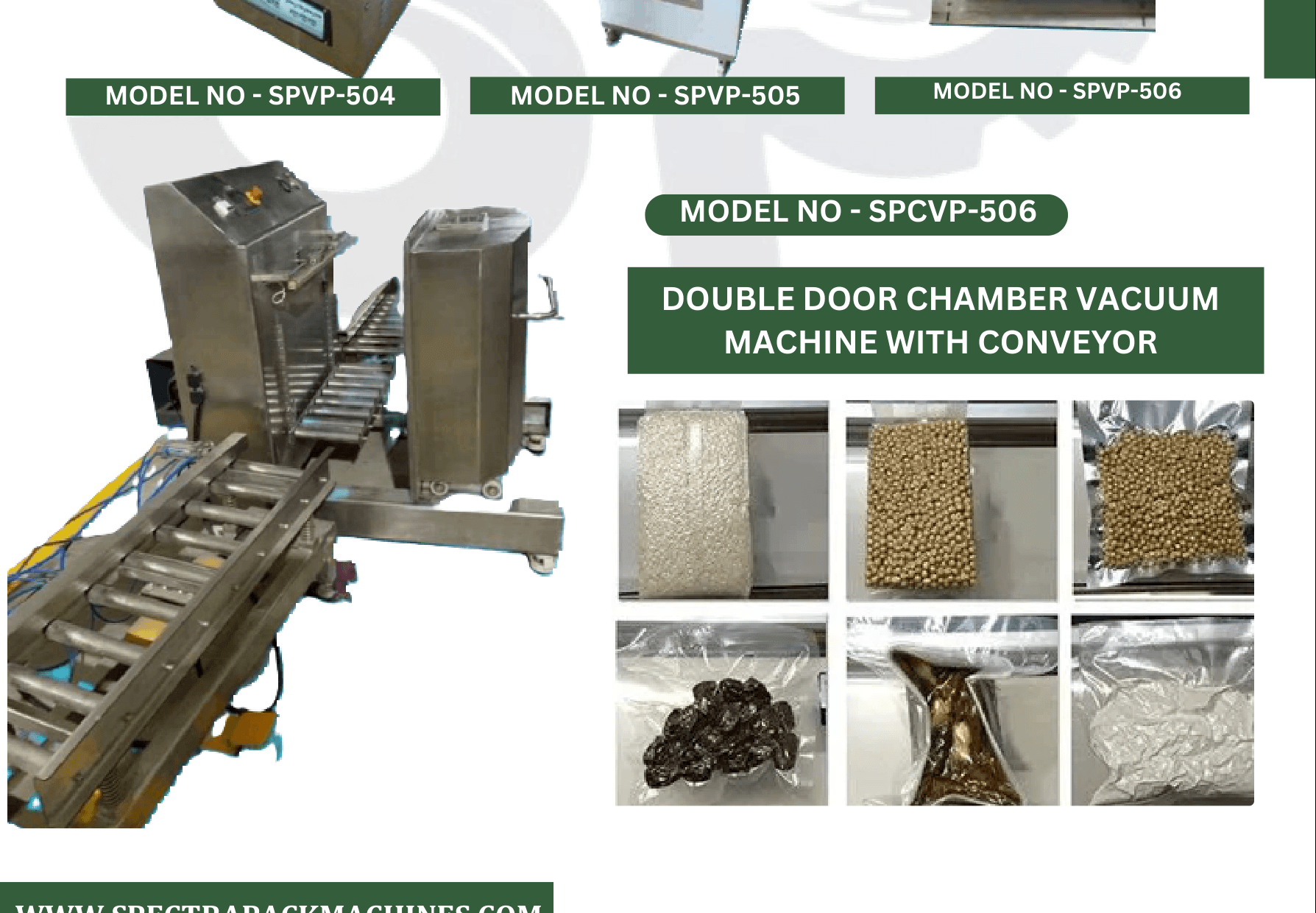
The heavy-duty tabletop vacuum packaging machine can be reviewed for individually loaded batches. Compare it with the double-door chamber vacuum machine with conveyor when handling and repeated loading are a larger part of the production requirement. Confirm the exact chamber, door and conveyor operating sequence for the quoted model.
How should output be measured?
Count accepted packs through a complete cycle, including loading, processing, venting and unloading. Include any time needed to prepare and position pouch mouths. A short vacuum cycle can still produce limited output if loading is slow or the operator must repeatedly rework misaligned packs.
Trial products with sharp edges, fragile structures or moisture when relevant. Inspect pouch punctures, product crushing and contamination near the seal. The approved settings and operating limits should come from a controlled supplier trial using compatible packaging material, not a single maximum-vacuum target.
What belongs in the approval record?
- Product condition, pouch material and filled-pack dimensions.
- Chamber loading arrangement and accepted packs per cycle.
- Process settings and the agreed seal and package checks.
- Cleaning, pump care and model-specific consumables.
- Product-specific storage and validation responsibilities where applicable.
How do you plan ongoing use?
Use application consultation to identify the correct format and pack trial. Ask after-sales support for the maintenance schedule applicable to the installed pump and sealing system. Keep machine performance checks separate from product shelf-life claims: a good-looking vacuum pack alone does not establish a safe storage period.