Preventive maintenance is most useful when it follows the machine manual and the conditions on your line. Dust, duty cycle, packaging material and cleaning methods can change inspection needs. Keep a record of the installed model and serial number so advice and spare parts refer to the correct configuration.
How should routine checks be organized?
Separate operator observations from work reserved for trained maintenance staff. Operators can record unusual noise, visible pack defects and changes in normal performance, following the site's approved procedure. Maintenance that involves heated, moving, electrical or pneumatic parts requires the prescribed shutdown, isolation and access process; never clean or adjust inside a running machine.
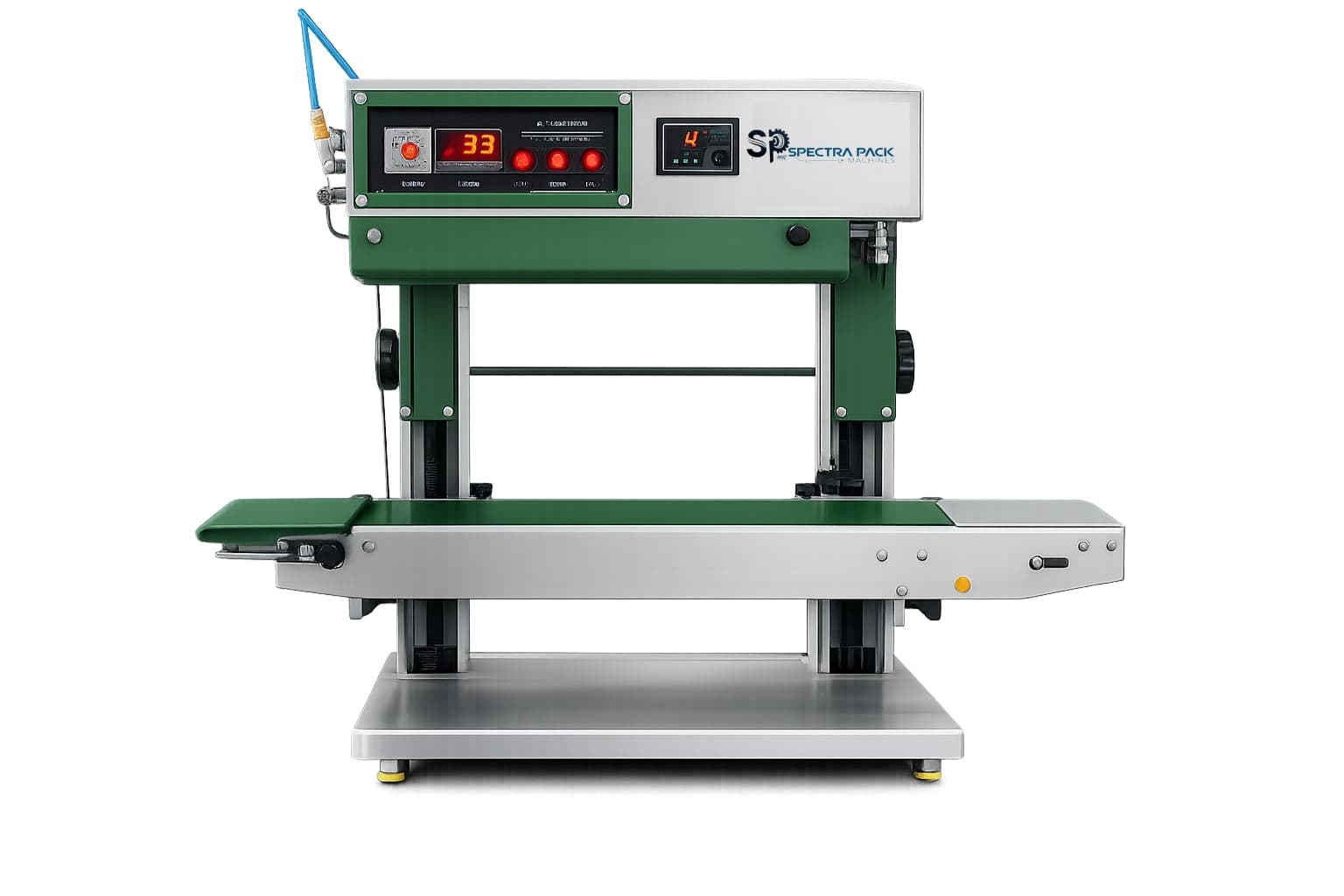
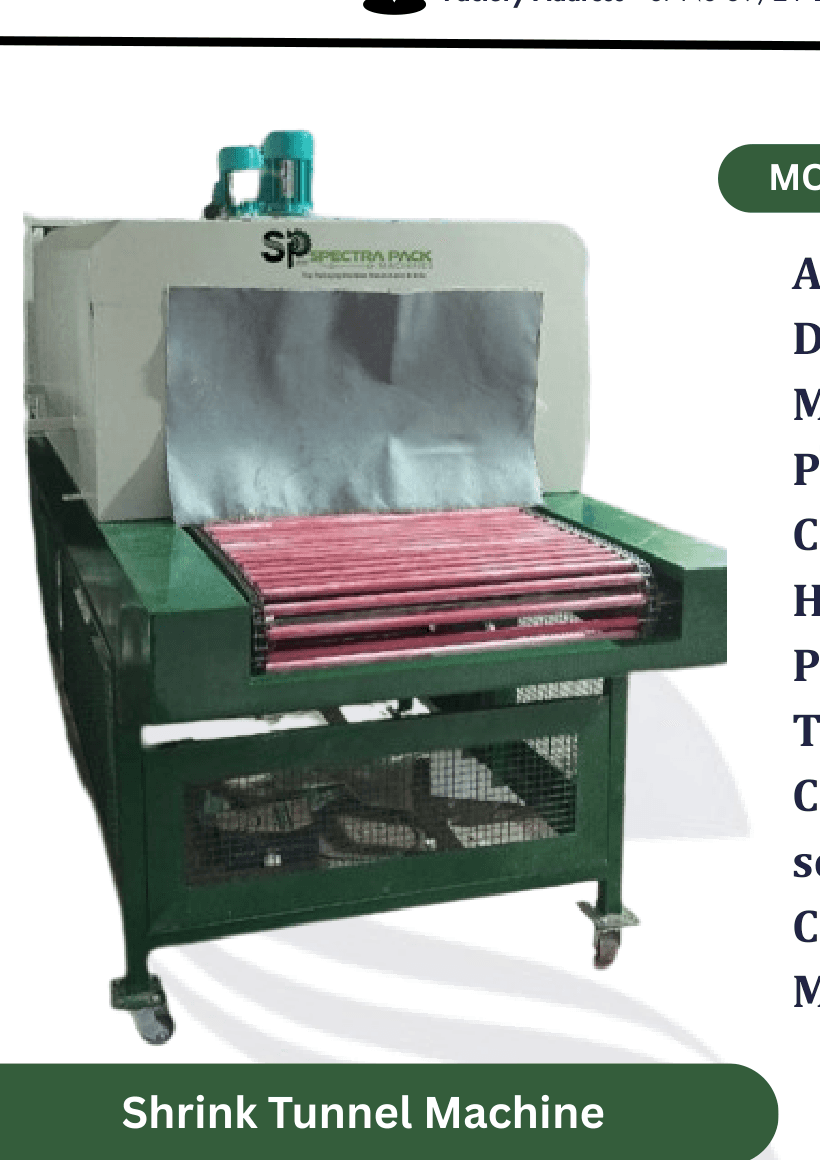
Use the supplier's schedule for a band sealer, shrink tunnel, vacuum machine or pallet wrapper. Each has different wear items and service requirements. A generic weekly checklist is not a substitute for the installed machine instructions.
What makes a fault report useful?
Record when the fault started, the product being run, the relevant settings and whether material or staffing changed. Include error messages exactly as displayed. Provide photographs of defective packs and safe external views of the machine where helpful. Do not open energized equipment to obtain a picture.
Distinguish symptoms from conclusions. For example, report that seals become inconsistent after a certain operating period rather than declaring the heater faulty without evidence. Tell the service team which approved checks have already been completed and whether the fault appears on every product or one material batch.
How do you choose spares to keep on site?
- Request part numbers tied to the model and serial number.
- Identify consumables and wear parts from the supplier's list.
- Prioritize items using usage, lead time and production impact.
- Store parts under the specified conditions and record replacements.
- Confirm compatibility before substituting electrical or mechanical parts.
How should recurring issues be handled?
Review defect and stoppage logs with after-sales support and spares. Repeatedly increasing settings or replacing one part can conceal an alignment, material or operating problem. Update the approved setup and training records only after the cause is understood. Use the original commissioning record as the reference for normal operation and track each subsequent change.