A useful packaging machine enquiry describes the production problem before asking for a price. Pack format, accepted output, material, staffing and floor space determine the suitable configuration. Two quotations are comparable only when their scope and acceptance conditions cover the same job.
How do liquid, paste and powder filling requirements differ?
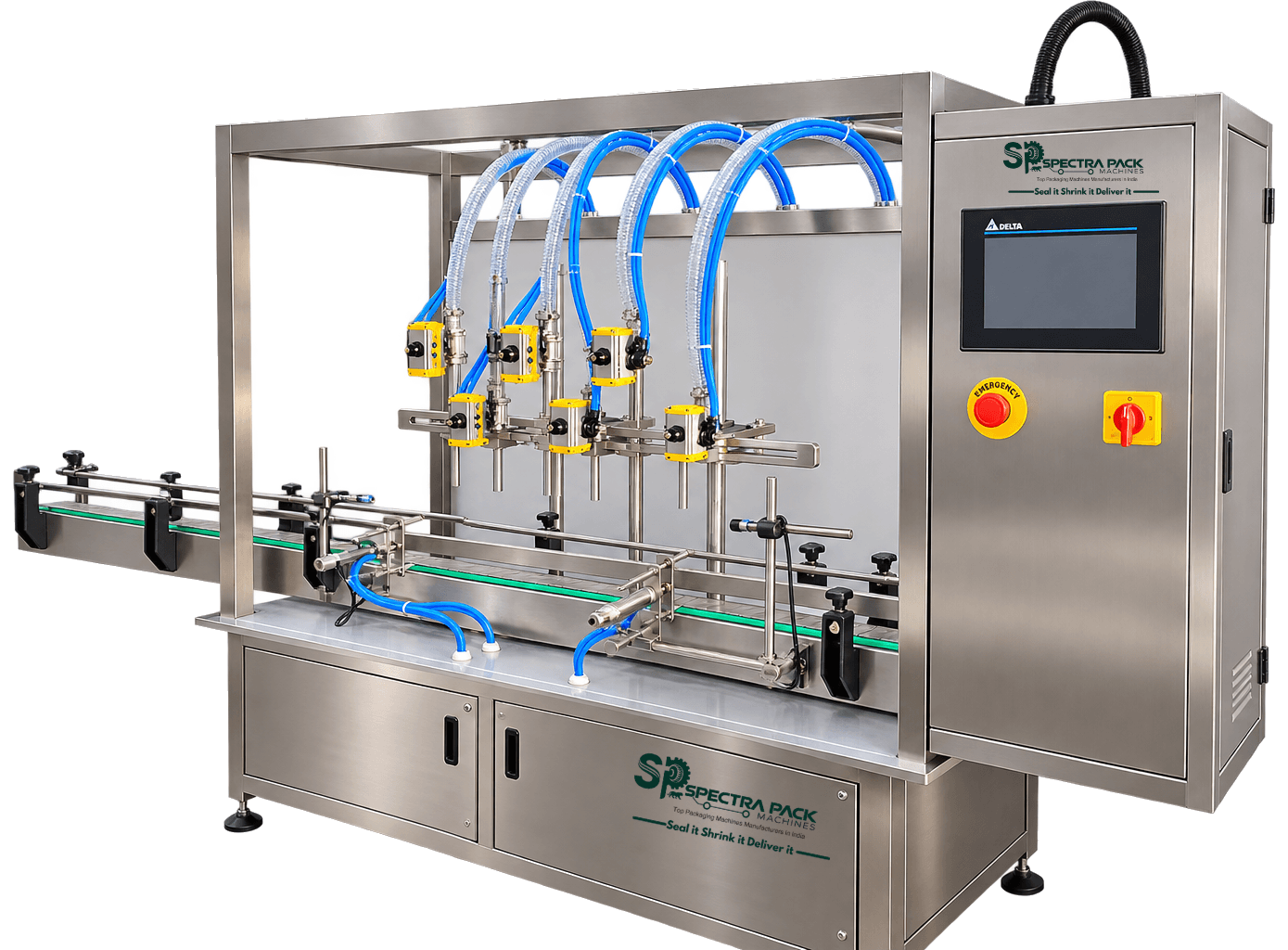
For an automatic liquid filling line, provide product viscosity, temperature during filling, foaming behavior, container shape and required fill range. A 6-head liquid filling machine should be trialled with the actual product and bottle neck geometry. Confirm the metering method, nozzle arrangement, anti-drip behavior and cleaning procedure for the offered configuration. The number of heads alone does not establish accepted bottles per minute.
Piston paste and semi-automatic volumetric piston filling formats need a review of the product's flow, any particles, seal compatibility and the usable fill-volume range. Have the supplier demonstrate repeat fills, stop-start behavior and a normal volume change. Compare filling by the agreed measured quantity and method; neither a smooth-looking flow nor a generic accuracy percentage establishes performance across every product.
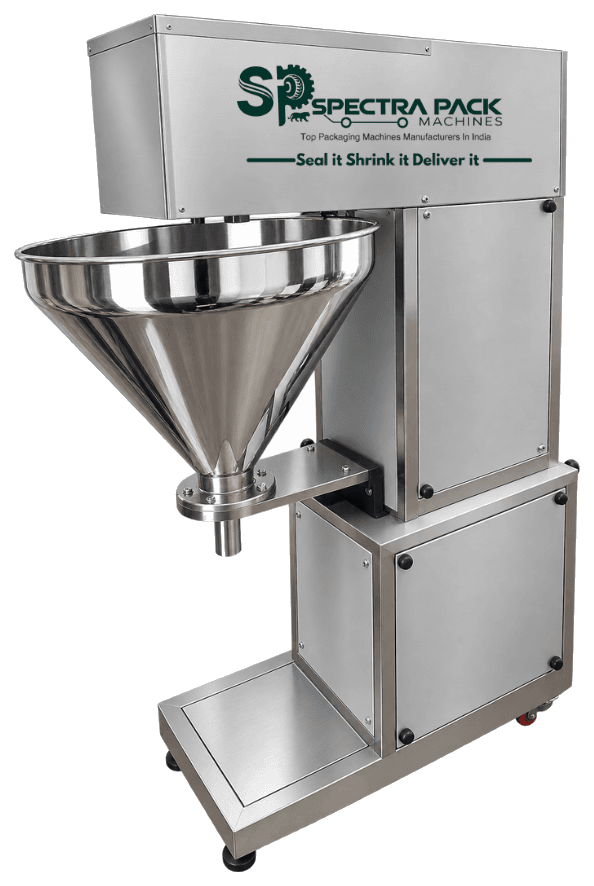
For an auger filler, specify powder flow behavior, bulk density variation, dust and target fill weight. Request repeated sample fills at the beginning and end of a representative run, including replenishing the hopper. Clarify the weighing checks and any feedback arrangement included in the quotation. Cleaning access, cross-product changeover and product-contact materials should be confirmed for the actual application.
How do you calculate the capacity requirement?
Start with acceptable packs required per shift and the available production minutes after planned breaks and cleaning. For example, 2,400 accepted packs in 300 available minutes require an average of eight accepted packs per minute. That is a planning example, not a machine specification; additional allowance for changeovers, interruptions and rejects must be justified from your process.
Measure the upstream and downstream stages too. A faster bottle wrapping machine cannot increase completed output indefinitely if grouping or dispatch remains the bottleneck. For a band sealer, filling and pouch presentation may control the pace more than the nominal conveyor speed.
Which costs belong in the comparison?
Include the quoted machine configuration, freight, installation scope, utilities, change parts and initial consumables. During operation, compare staffing, energy, film or other packaging material, routine maintenance and expected downtime based on evidence available to you. Ask the supplier to identify exclusions and avoid filling missing costs with optimistic assumptions.
If comparing automation levels, time the actual manual tasks that change. A labour saving only becomes useful when staffing or productive capacity changes in practice. Film savings should be measured on accepted packs of the same quality and material context, including any extra rejects during setup.
What should a shared quotation brief contain?
- Product size and weight range with samples or drawings.
- Required finished pack and packaging material details.
- Accepted output per shift and production mix.
- Site layout, utilities and handling interfaces.
- Training, spares, service scope and acceptance criteria.
How should the buying decision be documented?
Create a simple comparison table with required features, confirmed supplier responses and unresolved items. Use machine selection consultation to close application questions, then confirm the manufacturing scope in writing. Keep promises of output conditional on the agreed product, materials, configuration and trial method so the installed machine can be judged against a clear requirement.