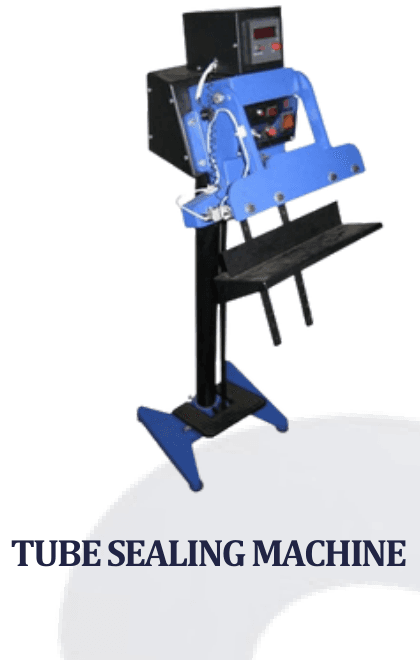
Tube sealing begins with the tube construction and the condition of its open end. Different plastic and laminate structures can require different sealing processes. A machine that closes one tube successfully should not be assumed to work with another material, diameter or wall thickness without a new application review.
What samples should you send?
Provide the tube supplier's material specification, empty tubes and tubes filled under your normal production conditions. Include diameter, length, wall construction, fill level and the required sealed-end appearance. If an orientation mark, print registration or batch code is involved, identify it in the requirement before reviewing the tube sealing machine.
Clarify whether the scope includes filling, positioning, sealing, trimming or coding. These are separate operations and may be handled by different equipment. Confirm each one in the quotation so the production plan does not depend on a feature that has not been supplied.
Why does filling affect the seal?
Material on the closure area can interfere with consistent joining. Evaluate the open-end cleanliness and the space left above the fill during normal production. Product viscosity, stringing or splashing can change how clean that area remains. Ask the filling and tube suppliers to help address contamination at its source rather than relying on higher sealing settings.
Run multiple consecutive tubes at the intended pace. Compare seam alignment, trimming if applicable, code legibility and closure performance using an agreed inspection method. Include tubes taken at the beginning and end of a batch, when filling behavior or handling may differ.
What should your trial record include?
- Tube material, supplier, diameter and production batch.
- Filled product condition and planned operating rate.
- Approved process settings and change parts.
- Clear acceptance and rejection samples for the closure.
- Changeover, cleaning and operator-training steps.
How should a new size be introduced?
Treat each materially different tube as a controlled change. Confirm whether tooling or adjustments are required and repeat the relevant closure checks before releasing production. Discuss machine consultation early for a mixed product range, and agree how the supplier will transfer approved trial settings during installation and commissioning. Do not infer shelf life or regulated-product compliance solely from a visually neat tube seal.