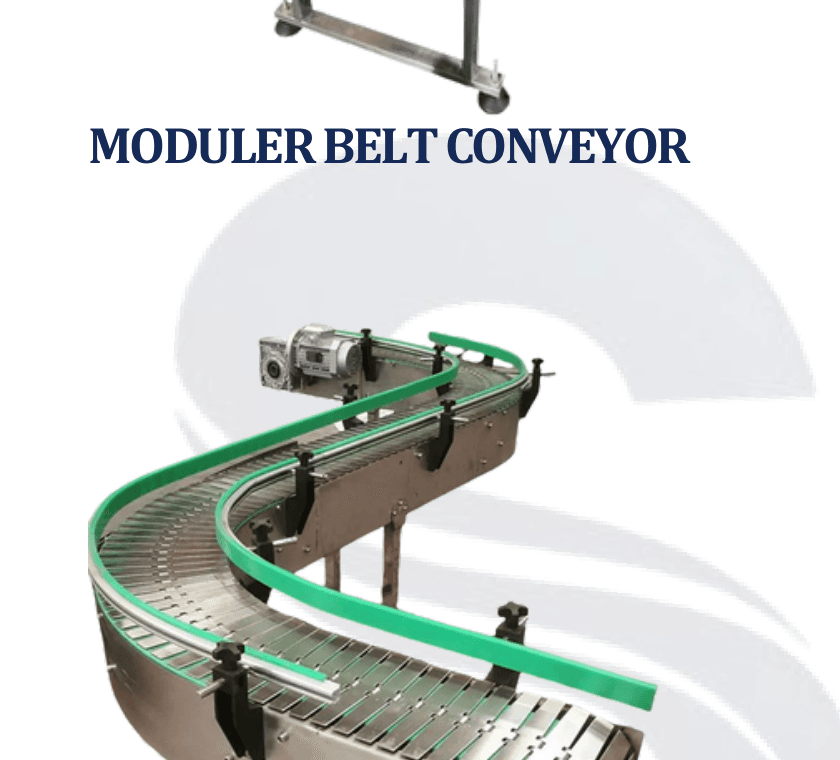
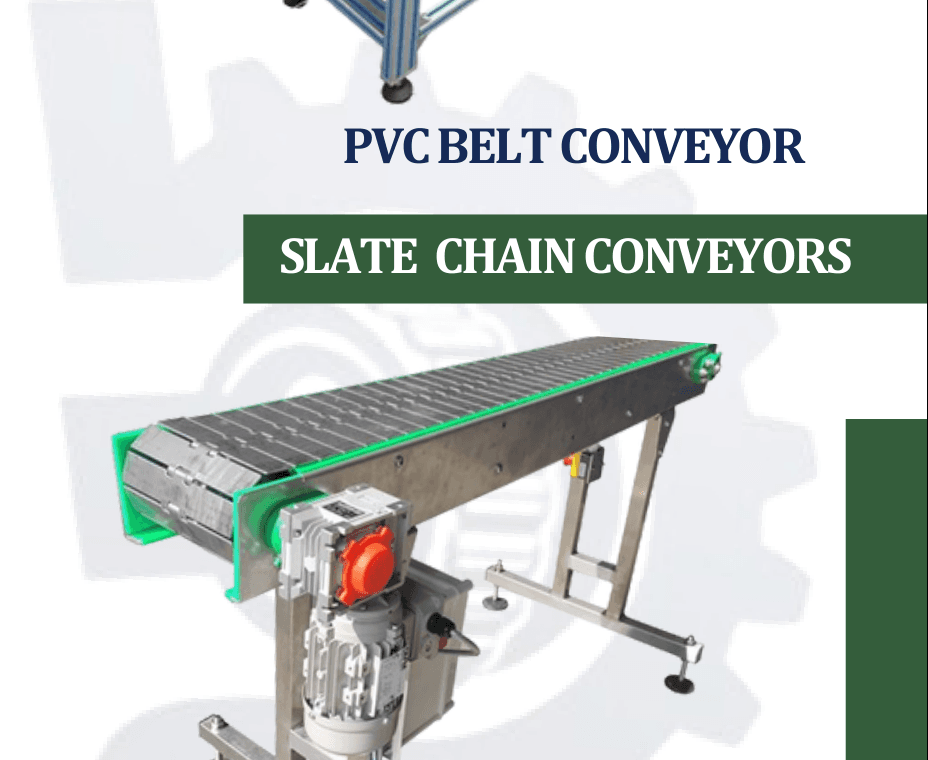
Container lines often need changes of direction and controlled presentation before wrapping or packing. A slat chain conveyor must support the container base, guide the product through bends and deliver it steadily to the next station. Confirm these details using the actual filled containers and the proposed line drawing.
What must be specified for a curved route?
Review the U-type slate conveyor against the required route, bend geometry and usable operating space. Provide a dimensioned floor plan showing columns, access doors and existing equipment. A curve that fits on paper may still restrict cleaning access or force operators into an awkward handoff.
For a heavy-duty slate chain conveyor, define the product loads and how many products may be on each section at once. The term heavy duty should be supported by the supplier's proposed load and duty specifications. Do not infer a capacity from the name or from the appearance of the frame.
How should bottle stability be evaluated?
Trial the tallest container, smallest base and lightest fill where relevant. Observe transfers into and out of bends, changes in speed and stops with products touching. Guide rails should control the product without creating unacceptable scuffing, label damage or jamming. Ask which adjustments are required when container dimensions change.
If products accumulate, agree the maximum queue, intended contact conditions and restart sequence. A downstream machine stop can increase pressure at a bend even when normal running looks stable. Include stop-start operation in the demonstration and define how operators clear jams safely using the approved procedure.
What drawings and data should you supply?
- Container base, height, diameter and filled weight range.
- Route, transfer heights, bend locations and available maintenance space.
- Throughput, spacing and expected accumulation.
- Guide requirements and changeover frequency.
- Cleaning environment, utilities and machine control interfaces.
How does the conveyor become part of a reliable line?
Coordinate the conveyors and packaging machines through custom design, with one agreed transfer drawing. During installation, verify heights, alignment, stop behavior and operator access using production products. Keep the accepted settings and guide positions available at the line so later changes do not depend on memory.