A bottle bundle is only ready for dispatch when its grouping, seal and shrink finish remain consistent through handling. Choosing automatic or semi-automatic equipment starts with the real arrival pattern of filled bottles, the pack configuration and the people available to load and remove bundles.
When does semi-automatic bottle wrapping make sense?
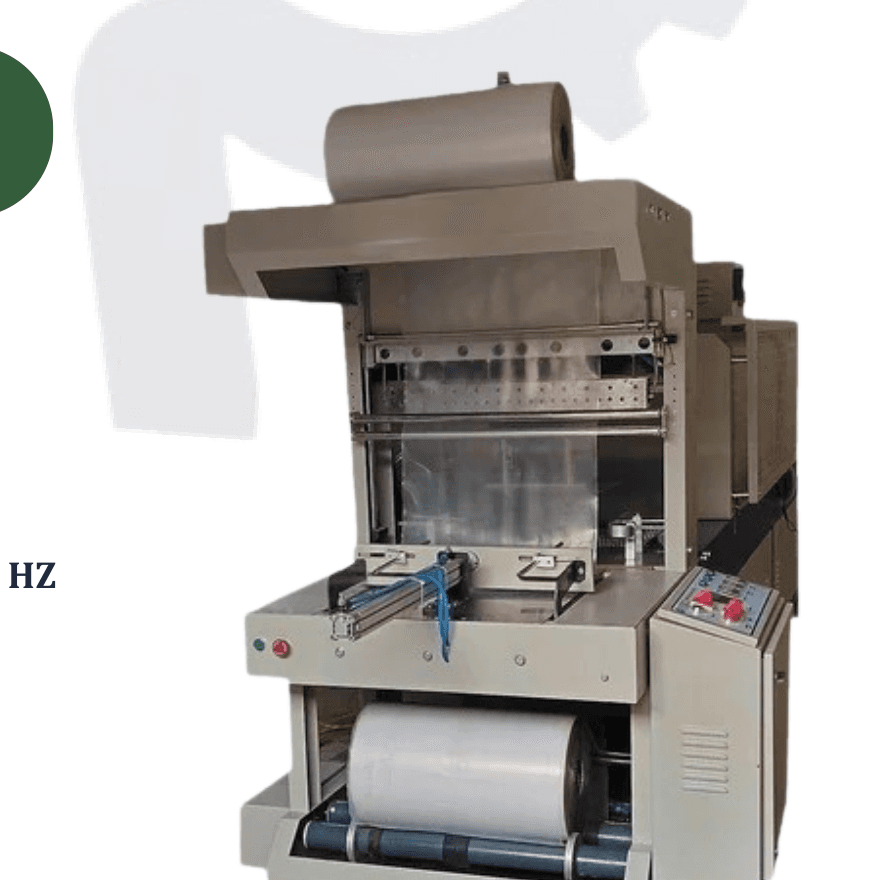
The semi-automatic bottle web sealer with shrink tunnel is a format to review when operators arrange groups or when pack changes are frequent. Check the actual loading method with the supplier. Time a representative operator cycle, including placing bottles, retrieving film if required, clearing the pack and restarting after an interruption.
An operator-assisted process can suit variable demand, but the decision should account for ergonomics, repeated lifting and production over the whole shift. Ask how a partially prepared bundle is handled after a stop. A single fast demonstration does not show whether the process is comfortable and repeatable throughout normal operation.
What changes with an automatic line?
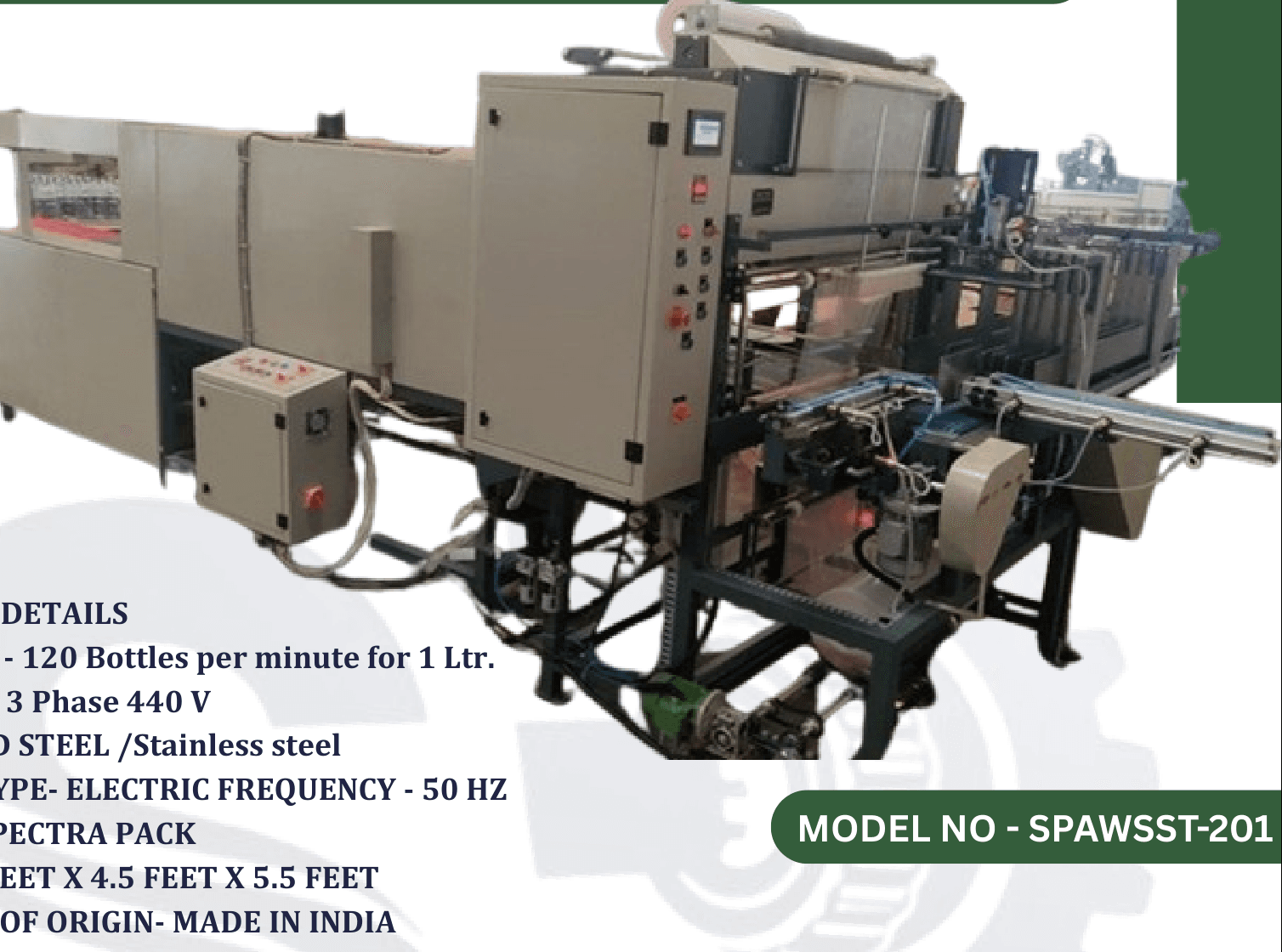
An automatic bottle web sealer needs compatible infeed and predictable product presentation. Confirm whether the quoted configuration includes grouping, accumulation, film handling and the relevant conveyor interfaces. Avoid assuming that the word automatic includes every task between the filling line and dispatch.
Run the intended bundle patterns using your bottles, closures, labels and film. Look for bottles leaning during transfer, shrink distortion, label movement and groups separating during handling. Changes in bottle diameter or height may require guides, recipes or mechanical adjustments; ask for a timed demonstration of those changes.
What should the enquiry include?
- Bottle dimensions, filled weight, material and closure details.
- Required bundle patterns and whether trays or pads are included.
- Sustained incoming bottle rate and required acceptable bundle rate.
- Available line drawing, transfer heights and floor space.
- Film specification, staffing plan and typical changeover frequency.
How should the two quotations be compared?
Compare the same supply boundary and acceptance trial for both proposals. Include upstream grouping work, downstream handling, utilities, training and consumables in the cost discussion. Use machine consultation to confirm the bottleneck first; adding automation to one stage helps only if the rest of the line can support it.