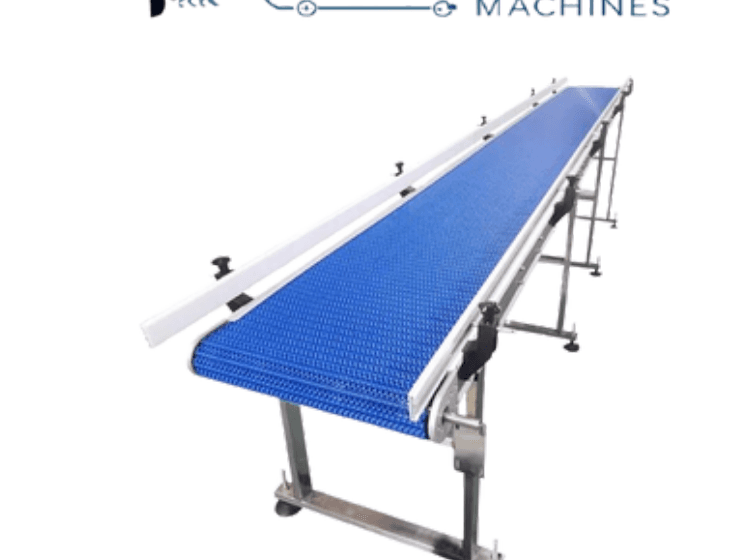
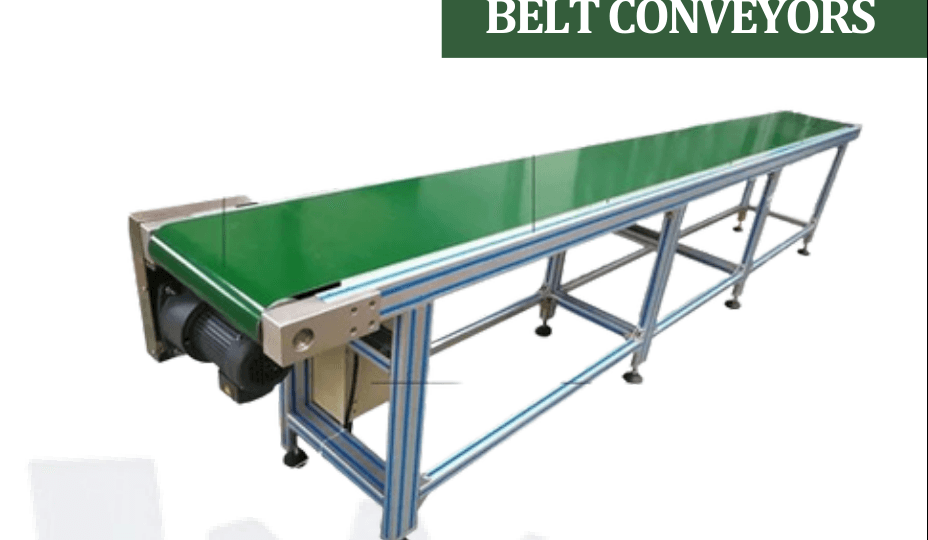
A conveyor is part of the packaging process, not just a way to fill the gap between two machines. Its belt surface, support, width, speed and transfer geometry determine whether products arrive in a usable condition. Start with the smallest, least stable and heaviest packs that will actually travel on it.
How should belt type be compared?
A modular belt conveyor and a PVC belt conveyor can differ in surface construction, transfer geometry and maintenance approach. Material suitability depends on the specific belt and frame offered. Ask for the exact belt specification and any relevant documentation rather than treating either material name as a blanket hygiene or temperature approval.
Describe whether products are dry, wet, hot, oily or abrasive and whether the conveyor will be cleaned with chemicals or water. Confirm that the proposed belt, drive, bearings and electrical components match the cleaning method. Cleaning access is part of the layout, including the space needed to inspect and service the return path.
Why are transfers so important?
Small packs may bridge poorly across a gap that larger cartons pass without difficulty. Flexible pouches can snag, and tall products can tip when speeds or heights do not match. Provide the neighboring machine drawings and trial the actual transfer. Confirm side guides, nose arrangements and the allowable adjustment range.
Where operators inspect or sort products, review reach and visibility as well as belt width. Where products accumulate, establish whether accumulation is permitted and how pressure on the pack is controlled. Stopping one conveyor should not create an uncontrolled pile-up at the next machine.
What information belongs in a conveyor enquiry?
- Product dimensions, weights, base shape and center-of-gravity concerns.
- Required throughput and minimum product spacing.
- Conveyor route, width, transfer heights and available footprint.
- Operating environment and intended cleaning method.
- Upstream/downstream control interfaces and stop conditions.
How do you approve the design?
Request a layout drawing and a review of guarding, maintenance access and the control sequence. Use custom machine design to resolve difficult transfers before fabrication. Confirm the supplied components and manufacturing scope so the delivered conveyor can be connected to the actual production line without relying on improvised supports or unplanned transfer plates.