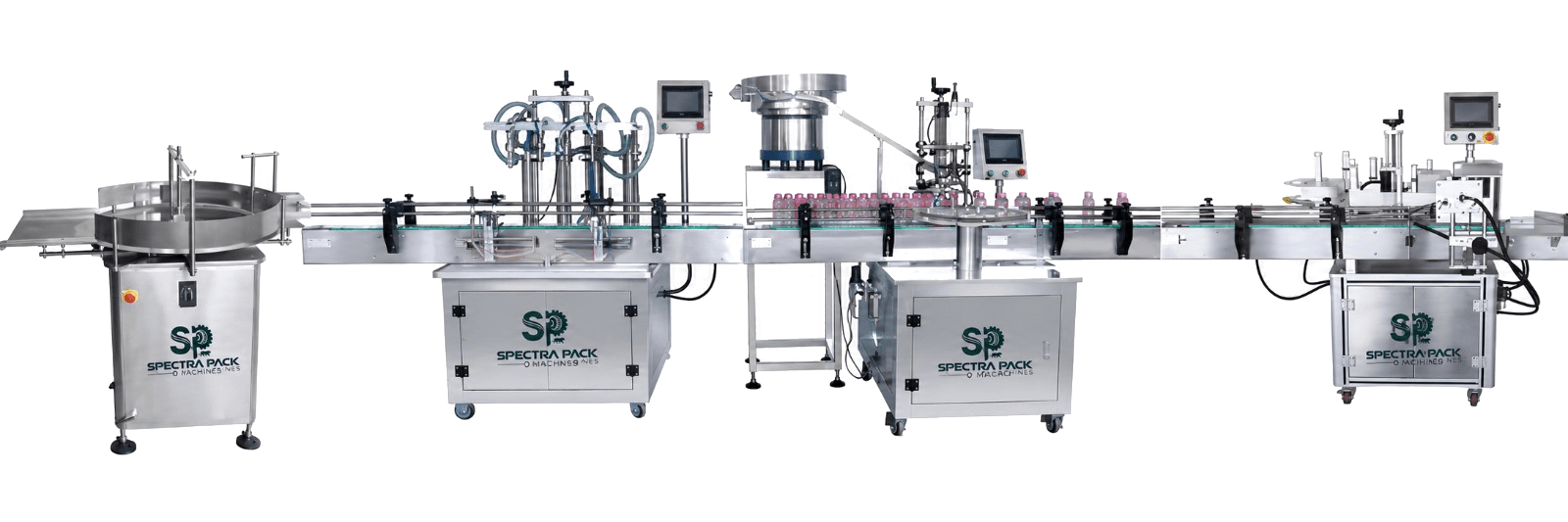
A custom packaging line should connect the full production sequence while leaving room to operate, clean and service it. Begin with how the product moves today, including waiting, manual handling and rework. An accurate layout brief prevents a machine from fitting the floor plan but disrupting the work around it.
What should the layout drawing show?
Provide a measured plan with usable floor dimensions, columns, doors, drains where relevant, and access routes. Mark incoming and outgoing product directions, transfer heights and the location of utilities. Include nearby machines and the space they need when guards, cabinets or service panels are open.
For a PVC belt conveyor, identify the smallest package and the transfer geometry at each end. For a U-type slat conveyor, show bends, guides and possible queues. If connecting a box web sealer, confirm how packs arrive grouped and how finished bundles are removed.
How do filling, capping, labeling and bottle feeding connect?
An automatic turntable can be reviewed for bottle feeding or collection, with container stability and the permitted queue tested at the intended speed. Confirm its role in the proposed line; a collection table and an infeed arrangement have different handoffs and operator tasks. Trial the smallest base and tallest filled bottle through the transfer to the next machine.
For the automatic capping machine, send production bottles and closures, thread details and the closure supplier's acceptance criteria. Confirm cap feeding, placement and tightening scope, then evaluate cross-threading, damaged closures and the agreed torque checks. Cap tightness should be verified using the appropriate method, not estimated by looking at the container.
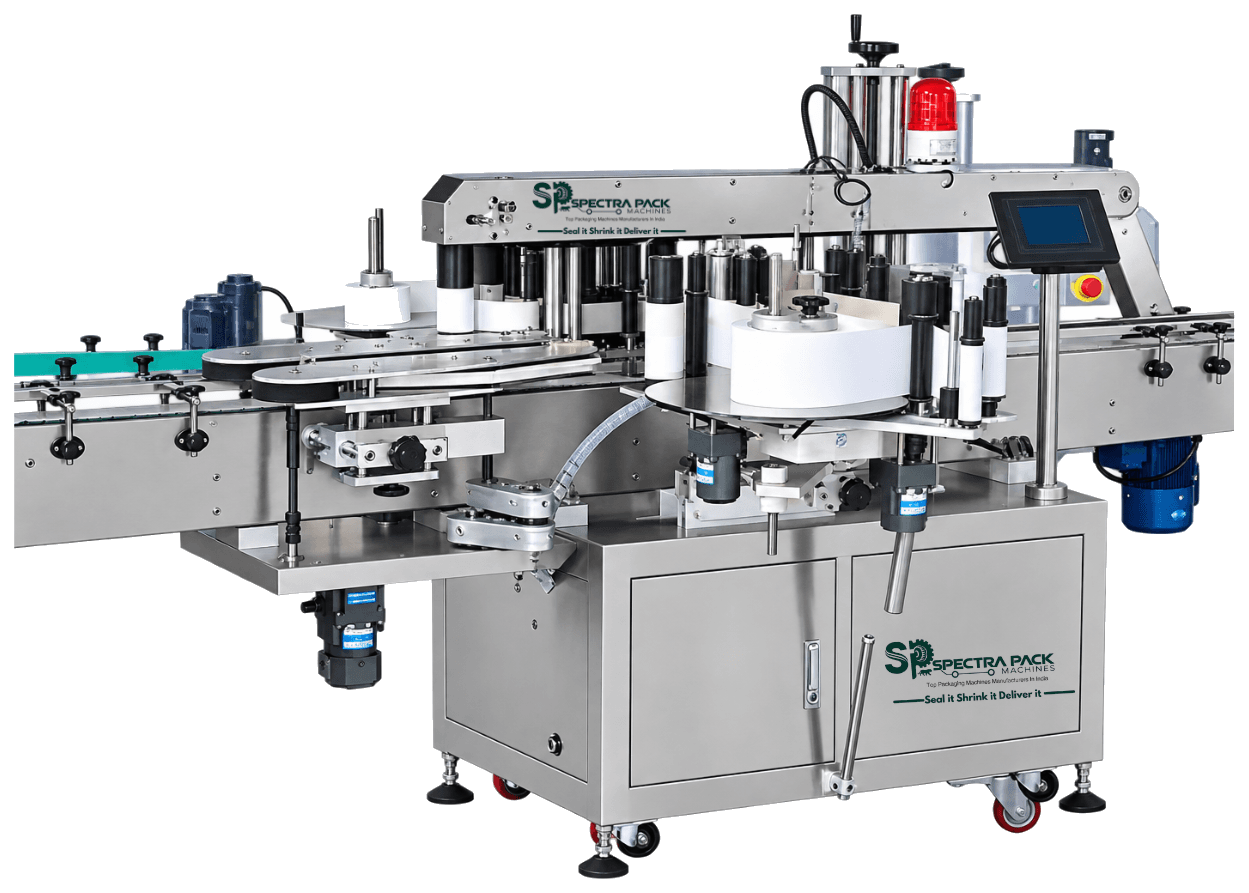
An automatic bottle labeling machine needs bottle samples, label dimensions, roll details, intended label position and any orientation requirements. Trial transparent labels or reflective containers when used. Inspect skew, wrinkles, overlap and label-position variation at normal line speed. Include label replenishment, missing-container conditions and a routine product changeover in the combined trial with the liquid filling line.
How should control handoffs be defined?
Agree which machine requests product, which can stop upstream flow and how a downstream blockage is signalled. Describe restart behavior after a normal stop and after a fault. The relevant engineering teams should review the safety and control interfaces; a shared conveyor speed alone is not a complete integration plan.
Identify who supplies sensors, cables, mechanical brackets and software changes. Record signal requirements and responsibilities before fabrication. For equipment from more than one supplier, nominate the person responsible for approving the combined sequence and witnessing the integrated trial.
What operating tasks must be allowed for?
- Normal loading, unloading and inspection with the planned staffing.
- Film, pouch or other consumable replenishment.
- Product changeover and adjustment access.
- Cleaning, fault diagnosis and replacement of wear parts.
- Removal of rejected packs without disturbing the normal flow.
How do you approve a custom design?
Review the arrangement drawing with production, maintenance and the site engineering team. Resolve access and interface questions before signing off. Use custom machine design to capture revisions and agree the manufacturing scope. The acceptance trial should cover the entire sequence with representative products, including stop-start operation and the most demanding changeover. Keep the final drawing with the machine records so future modifications start from the installed arrangement.