Roller conveyors can simplify carton movement, but only when the pack base is suitable and the route is controlled. Soft bags, weak cartons and irregular bases behave differently from rigid boxes. Begin with the packages that will actually pass through the dispatch area and the loads operators handle during a busy shift.
When is a flexible arrangement useful?
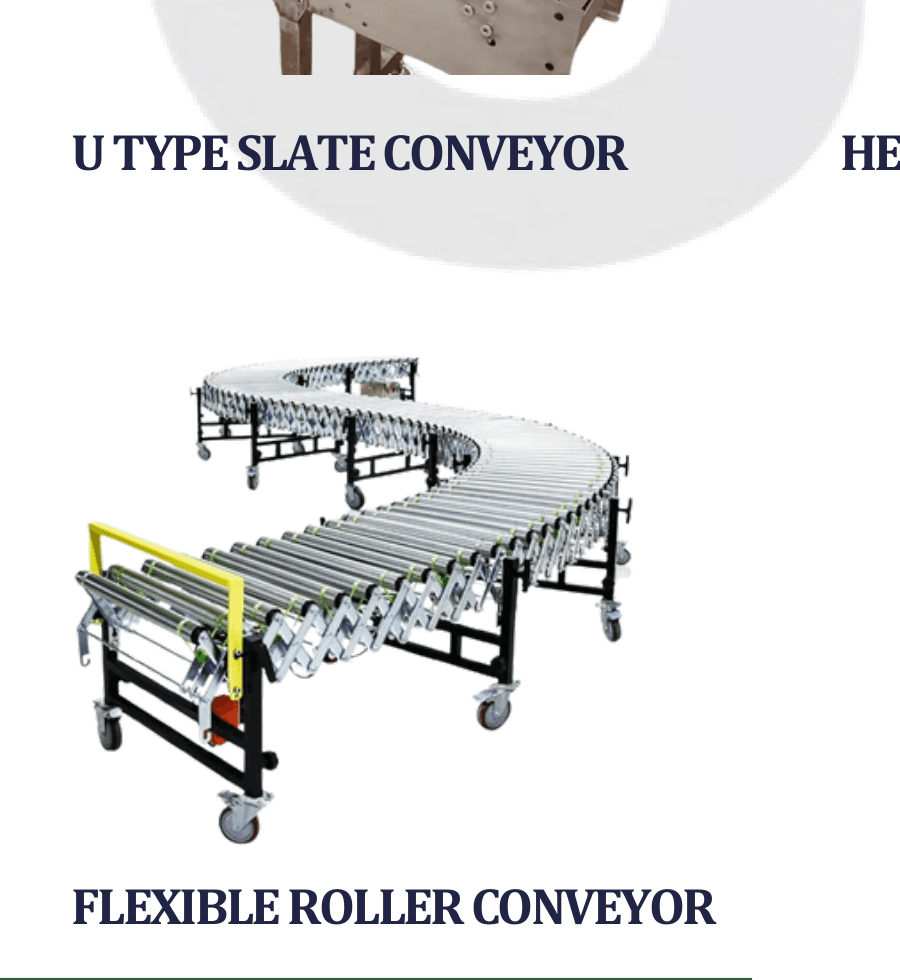
A flexible roller conveyor can be considered where the route needs adjustment. Confirm the permitted extended and retracted geometry, working height, load rating and required locking or support arrangement for the exact model. Repositioning a conveyor should be part of a defined workflow with clear access around it.
Check whether the conveyor relies on gravity, manual movement or a powered arrangement. Flexible describes its layout capability, not the way products are driven. If a gradient is involved, the supplier should confirm how pack speed, stopping and discharge are controlled. A heavy carton must not be allowed to run into an operator or uncontrolled queue.
What changes for a fixed heavy-duty conveyor?
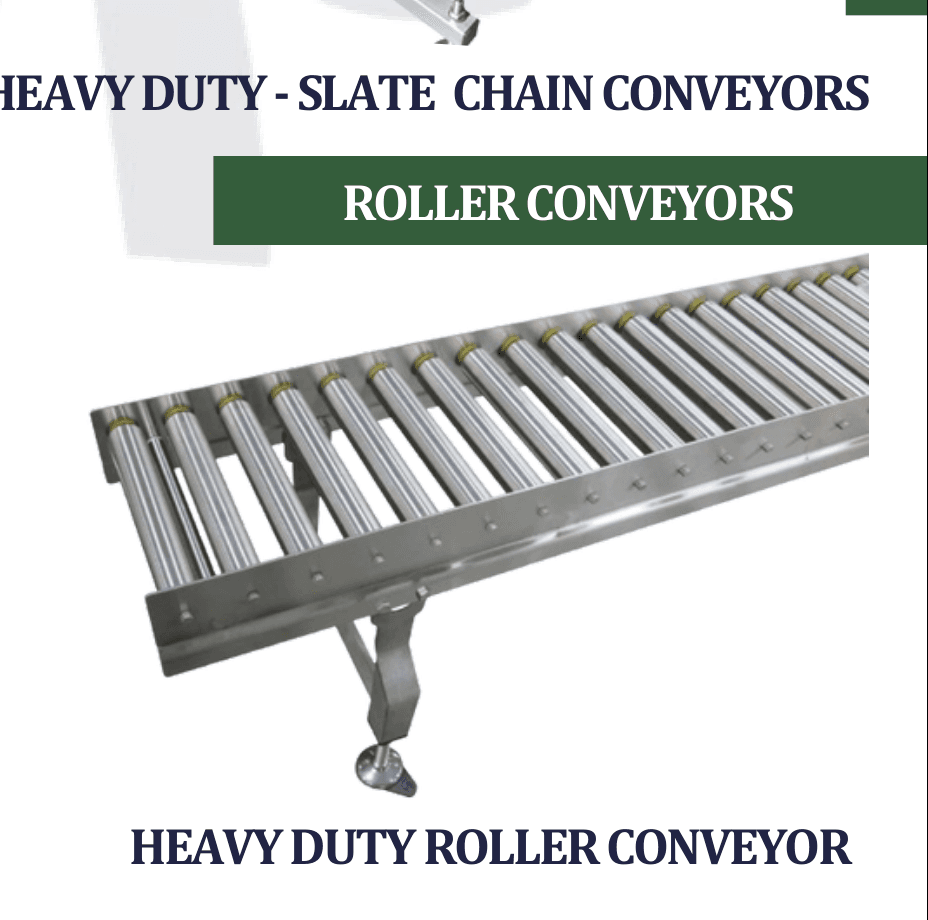
The heavy-duty roller conveyor should be specified by package dimensions, total loading and the type of movement required. Ask the supplier to select roller spacing and support around the shortest and weakest carton base as well as the heaviest pack.
Review transfers between sections and onto weighing, sealing or palletizing stations. A carton can catch or tip where height or spacing changes. Confirm the method of supporting overhanging loads and whether items need to be turned by operators along the route.
What should the site survey record?
- Minimum and maximum carton dimensions and filled weights.
- Base condition, fragile contents and handling orientation.
- Route changes, doors, pedestrian paths and vehicle interfaces.
- Expected carton queue and loading at peak demand.
- Operator tasks, working heights and the stopping method.
How should the project be accepted?
Use representative packs to demonstrate normal movement, accumulation and removal. Review pinch points, access and safe handling with the site team. Agree the final layout through custom design, then verify it during installation and commissioning. If cartons proceed to pallets, assess the complete dispatch process with the pallet stretch wrapping guide.