
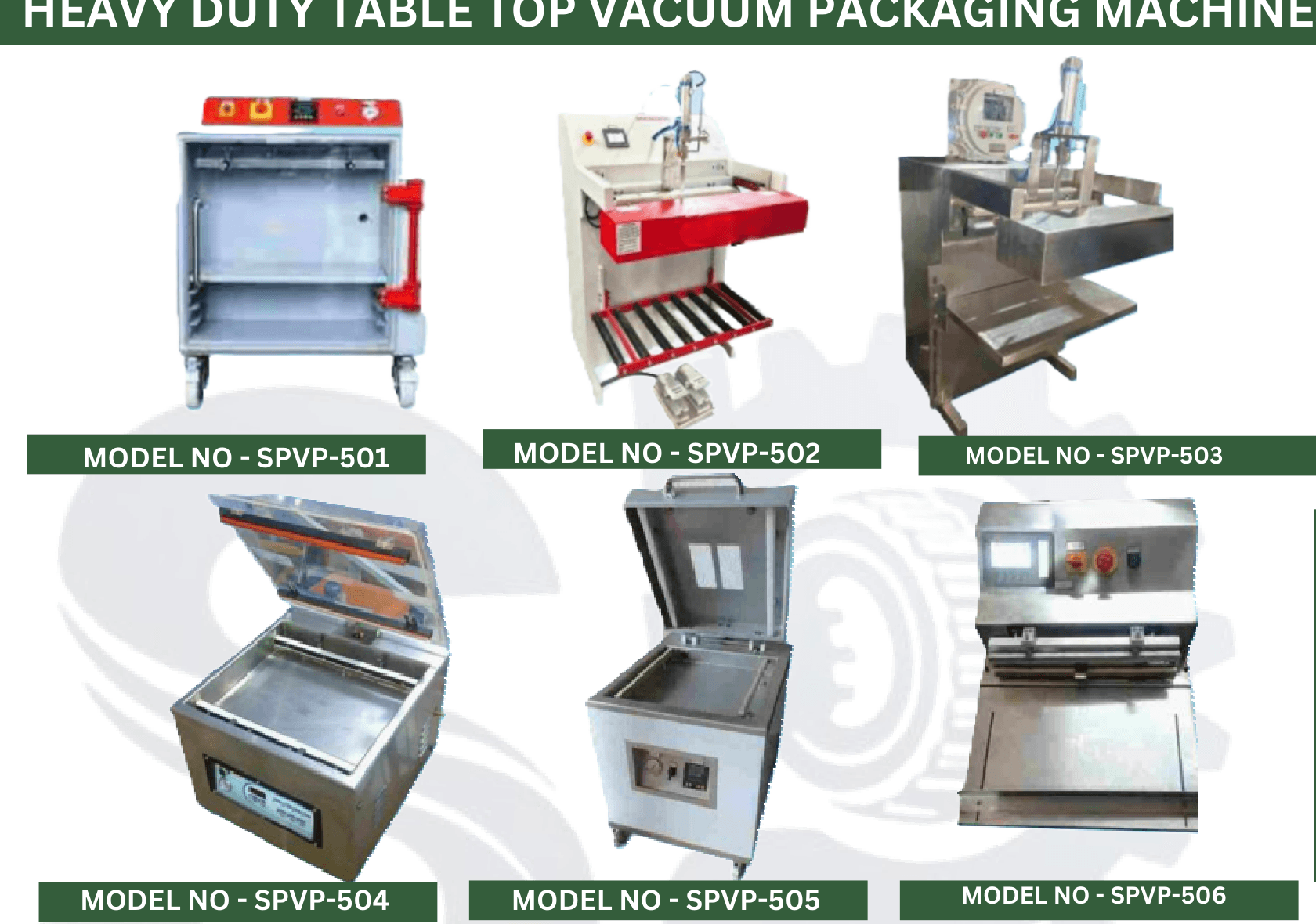
A vacuum trial should evaluate the finished package and the work needed to produce it. Watching a chamber cycle does not show whether operators can load it consistently or whether the sealed package remains acceptable after handling. Agree the trial materials and inspection method in advance.
How should bags be loaded for the trial?
Use the supplier's instructions to position filled bags and keep the intended seal area clean. Record the number and arrangement of bags in the chamber. A demonstration with lightly filled bags may not represent production if your normal packs are larger, wetter or less uniform.
On a double-door vacuum machine with conveyor, clarify which transfers are included and which require operator work. On a tabletop machine, time loading and removal alongside the machine cycle.
What should be inspected after sealing?
Inspect the entire seal after the prescribed cooling period. Look for contamination, folds, uneven sealing and bag damage near sharp product features. Apply the agreed package-integrity test; visual tightness around a product is not proof that every seal is sound.
Record changes in product shape or appearance and involve the responsible product-quality team where necessary. Do not use a successful machine run to infer an untested shelf life or storage condition. Those are separate product-validation questions.
Which production figures are useful?
Count accepted packs, rejected packs and elapsed trial time. Record any interruption for bag preparation, chamber cleaning or product replenishment. Include a normal restart and a change between common pack formats using the approved procedure.
- Keep the bag specification with the setup record.
- Identify the machine configuration and approved settings.
- Record open items before factory acceptance.
How should ongoing issues be reported?
Send after-sales support the machine model, bag details and labelled pack photographs. The chamber selection guide helps distinguish a setup issue from a changed product or bag requirement that needs a new application review.