
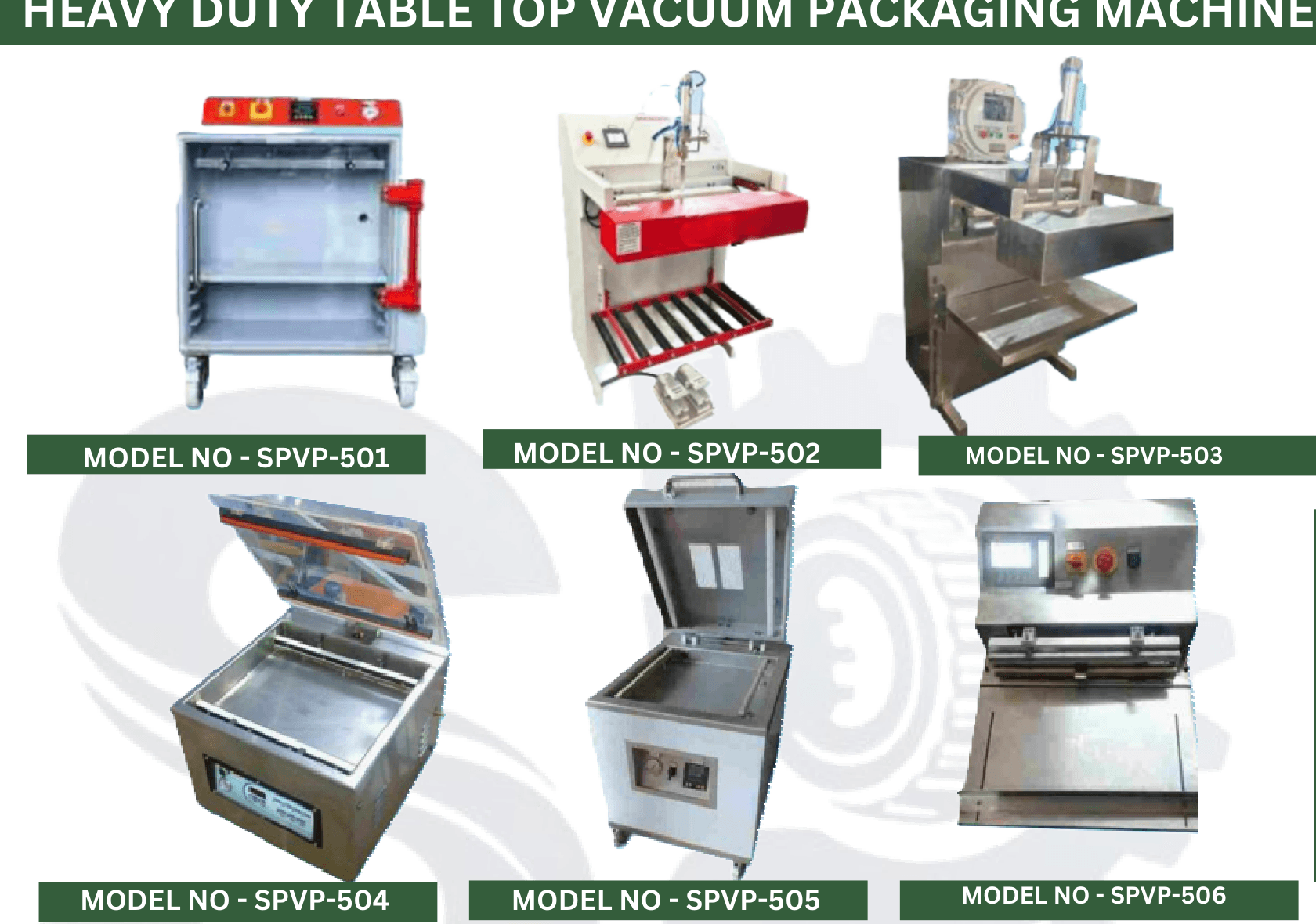
A vacuum packaging machine must accommodate the filled bag, not just the product without packaging. Chamber space, sealing position and the product's behaviour under vacuum affect the usable arrangement. Prepare samples and an application brief before deciding on the chamber format.
Which measurements should be supplied?
Record product dimensions and weight, filled-bag dimensions, intended seal position and the number of bags per cycle. Include products that vary in shape or have sharp edges. Confirm the usable chamber clearance and seal-bar arrangement with the supplier rather than relying only on an external machine dimension.
Compare a tabletop vacuum packaging machine with a double-door chamber machine with conveyor using the same product and bag. Ask how loading, evacuation, sealing and unloading are handled in each quoted configuration.
How do you select the packaging material?
Provide the intended bag structure and supplier information. The bag must suit the product, sealing method and intended storage conditions. Ask the packaging supplier and your product-quality team to confirm those requirements; the machine name does not establish the correct barrier properties or storage life.
For food applications, packaging trials do not replace a validated food-safety and shelf-life process. Keep product-specific storage and shelf-life claims outside the machine acceptance unless they have been separately established by the responsible specialists.
What should the output trial measure?
- Accepted packs over the complete loading and unloading cycle.
- Seal integrity after cooling using an agreed test.
- Bag damage, product deformation and pack appearance.
- Changeovers and cleaning access appropriate to the application.
How should the enquiry be completed?
Send product and bag samples through machine consultation, including the delivery location and available utilities. The vacuum trial checklist helps define the practical evidence needed before accepting a chamber layout or production-capacity claim.