
Commissioning a conveyor system means checking how products move through the whole route. A successful empty run cannot reveal every unstable pack, transfer problem or accumulation issue. Use the actual product range and the agreed site layout during acceptance.
Which packs should be tested first?
Include short cartons, tall containers, light packs and the heaviest regular loads. Photograph the base and record the centre of the load where its distribution is uneven. Verify the approved capacity and loading arrangement before the test; do not overload the conveyor to find its limit.
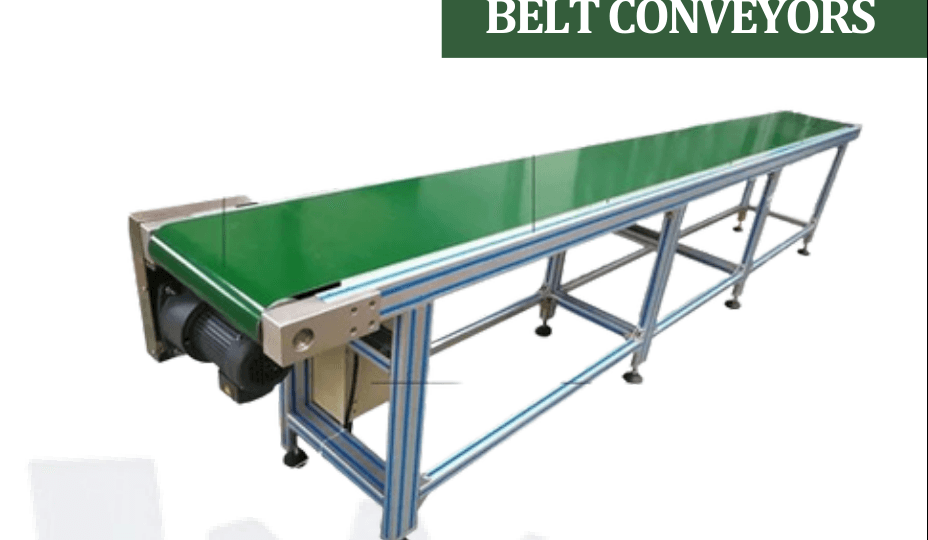
For a roller conveyor, observe support at transfers and changes in direction. For a PVC belt or modular belt conveyor, inspect product stability and the transition into downstream equipment.
What should the transfer checks cover?
Check the smallest pack crossing every interface, including the discharge of the upstream machine. Confirm the transfer height and gap against the design. Record tipping, snagging, scuffing and changes in orientation. A manual push that repeatedly rescues a pack indicates an unresolved interface problem.
Where a U-type slat route or flexible roller section changes the line direction, test the intended working arrangement. Keep access and guarding in the configuration required for production throughout the demonstration.
How should coordinated stopping be reviewed?
Ask the supplier to demonstrate the approved response to a downstream stop and the subsequent restart. Confirm who supplies sensors, control interfaces and integration work. Operators should not reach into moving equipment to clear an accumulation during a test.
- Record acceptable product spacing and queue behaviour.
- Document interface responsibilities and open issues.
- Keep the final layout with the handover record.
What happens after installation?
Review early production observations with installation support. Revisit the conveyor selection guide when product bases, weights or routes change, because a successful trial applies to the tested handling conditions.