
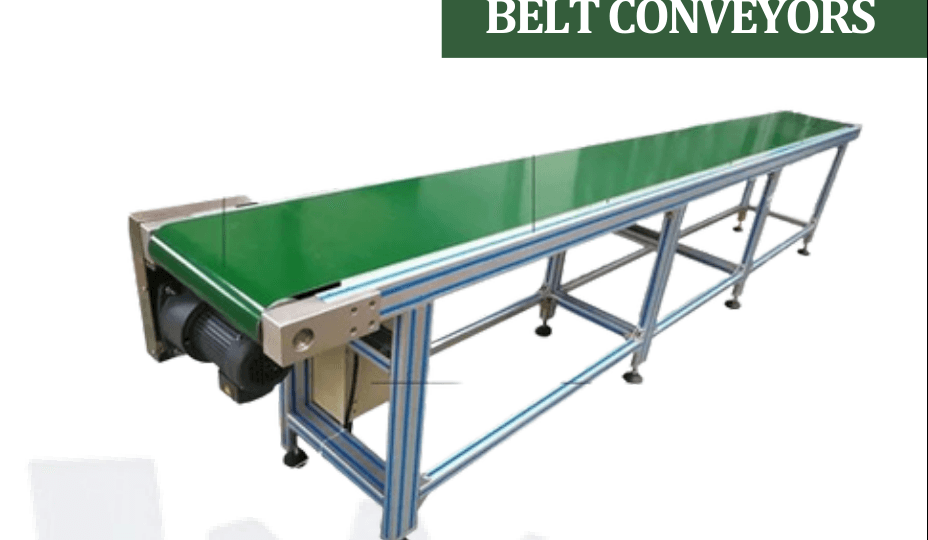
A packaging conveyor is part of the handling process, not simply a moving length of equipment. The product base, weight, stability and destination determine which surface and route should be considered. Start with the complete flow between machines and workstations.
When should belt conveyors be considered?
A PVC belt conveyor or modular belt conveyor should be assessed against the pack's base, dimensions and support needs. Supply the lightest and smallest products as well as the heaviest. Ask the supplier to confirm surface suitability and cleaning requirements for the actual application.
Do not assume that a material name alone establishes suitability for direct food contact, washdown or every chemical. Specify the operating environment and request confirmation for the quoted belt, frame and components.
When are slat or roller formats relevant?
Discuss a slat-chain conveyor or U-type conveyor where the proposed route and product handling call for those arrangements. Confirm bend geometry, transfer conditions and any accumulation requirements with samples.
A flexible roller conveyor or heavy-duty roller conveyor needs a compatible load base and enough support across the roller arrangement. A soft bag or short carton can behave differently from a rigid tote of the same weight.
What belongs in the enquiry drawing?
- Product dimensions, weight and photographs of the underside.
- Travel direction, route length and transfer heights.
- Required rate, spacing and stop or accumulation behaviour.
- Operator access, cleaning needs and available floor space.
How is the choice verified?
Use representative packs to demonstrate transfers and normal stops. Ask custom design support to confirm unusual routes or interfaces. The conveyor commissioning checklist turns the selected layout into a practical site acceptance record.