
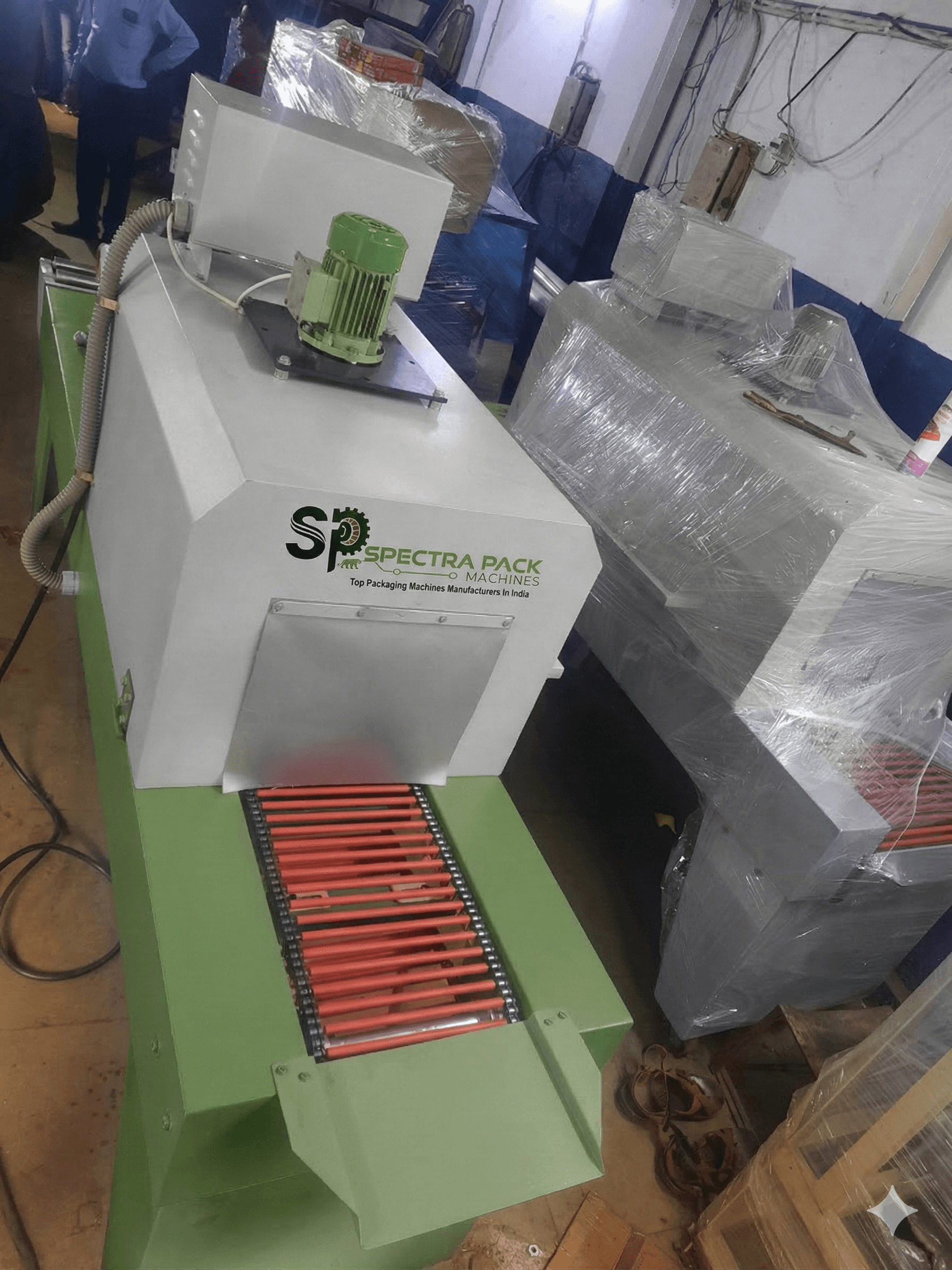
A useful L-sealer demonstration checks repeatability as well as appearance. Pack shape, film positioning and presentation at the sealing area can change over a production run. Define a trial that uses normal products and includes the interruptions your operators will encounter.
What makes a representative sample set?
Include the lightest, tallest and least stable regular products. Use production film and any tray or insert used in the final pack. Identify the intended orientation so a successful demonstration does not depend on presenting the product differently from your actual line.
For an operator-assisted L-sealer, observe the complete loading cycle. For a fully automatic L-sealer, check the intended infeed arrangement and whether the line maintains the required spacing without manual correction.
Where should seams be inspected?
Inspect the enclosure before shrinking and the final package after cooling. Look at corners, the junction of seams and areas near product projections. Record open seams, cut-through film and excessive loose material using agreed photographs or descriptions of acceptable and rejected packs.
Do not attempt to solve every seam issue with a hotter setting. Film grade, alignment, product position and the approved sealing sequence can all affect the result. Keep changes within supplier instructions and request support where a consistent result cannot be achieved.
How do you measure realistic output?
Count acceptable finished packs over an agreed duration, recording rejects and interruptions separately. Include at least one normal stop, restart and format change. Note whether an extra operator helps during the demonstration; that work must be reflected in the production plan.
- Keep the product and film specification with the trial record.
- Record the approved recipe and changeover steps.
- List any unresolved items before dispatch acceptance.
What follows the factory trial?
Repeat the agreed checks during installation and commissioning. Use the film and clearance guide when adding a new product, rather than assuming every size that physically fits has already been validated.