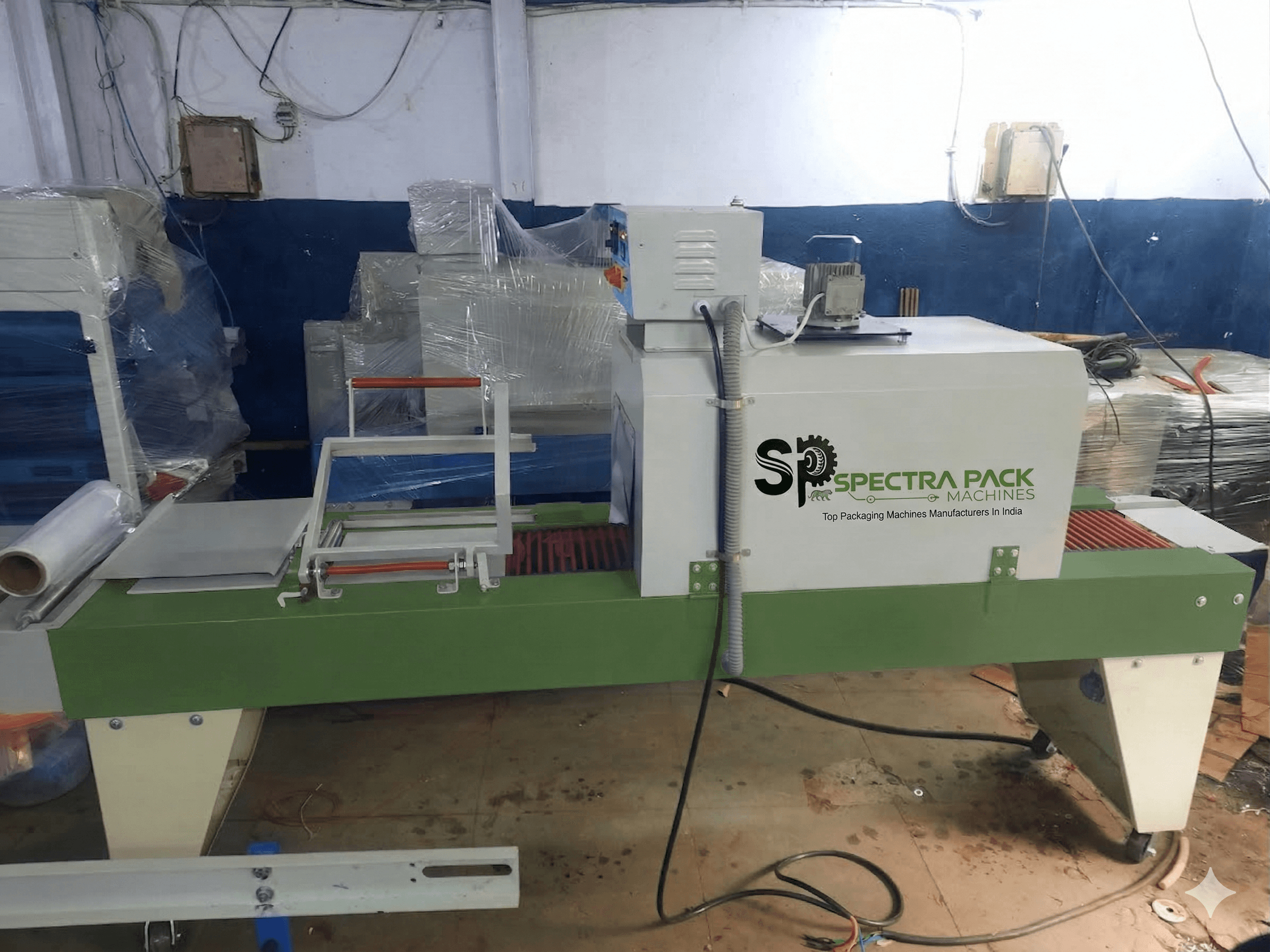
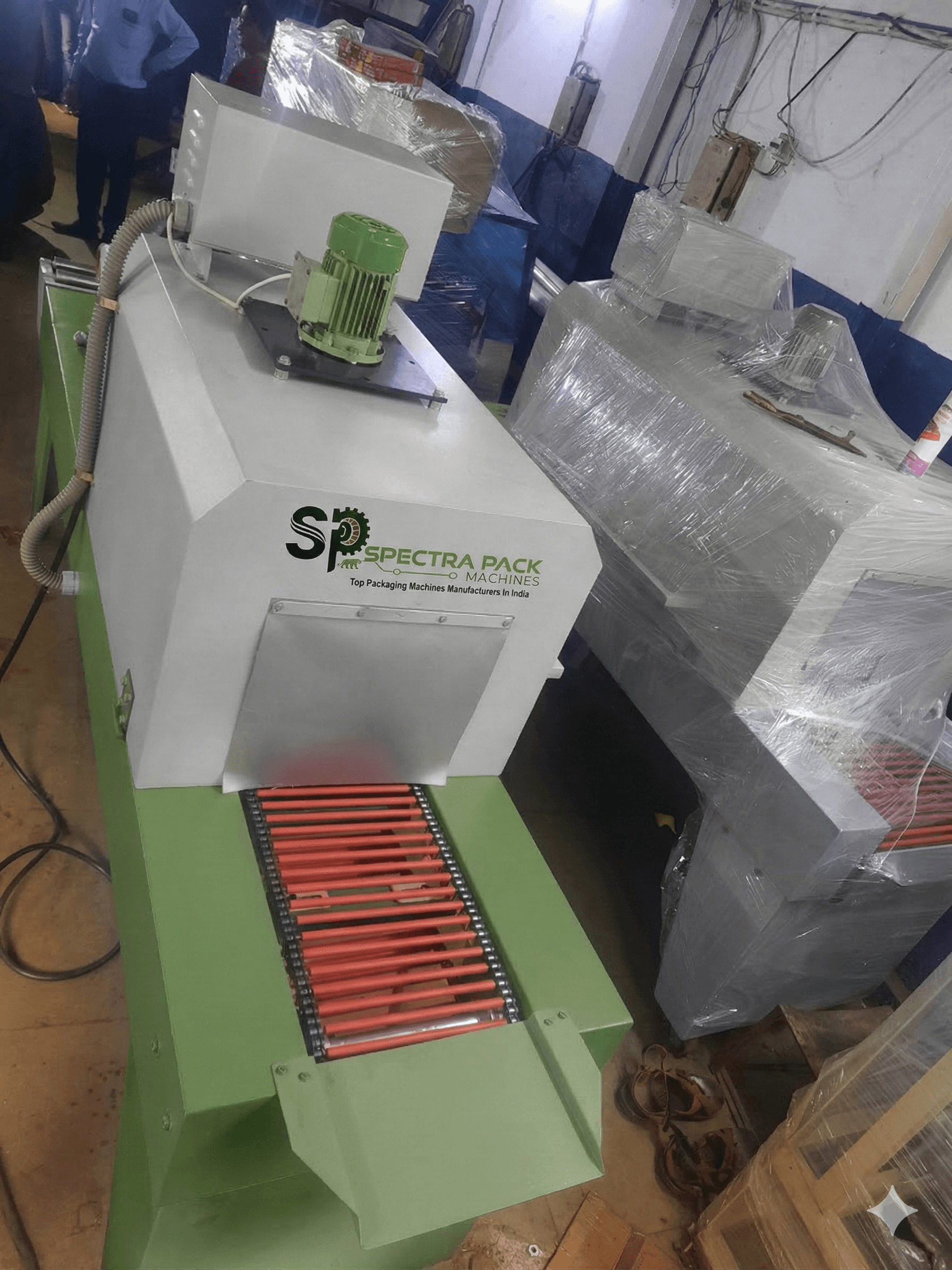
An L-sealer forms a film enclosure before the pack reaches the shrink stage. The usable sealing area, product height, film width and loading sequence need to work together. Selecting a machine only by the longest product dimension can leave too little film or clearance for a reliable seal.
How do you define the working envelope?
Provide length, width and height for every planned product family, including protrusions and protective inserts. Ask the supplier to demonstrate how the pack fits within the usable sealing area with the selected film. Allow for the actual enclosure geometry; the sealing frame measurement is not a promise that every equally sized product can be wrapped.
Compare the L-sealer with shrink tunnel with the fully automatic L-sealer system. Confirm loading, sensing, film feeding and product spacing for the quoted model instead of inferring the full configuration from its title.
What should be checked on an automatic system?
Test very light, irregular, reflective or transparent packs if they are part of your range. Their presentation may affect detection and transfer depending on the installed sensors. Check what happens when products arrive too close together or stop at the infeed. Discuss recovery and reject handling without reaching through guards or disabling interlocks.
For frequent product changes, request a complete changeover demonstration. Record the tasks, tools and film changes needed, plus the time until the first acceptable pack. A machine that runs quickly on one size can still lose significant production time during repeated changes.
What determines a successful seal?
Clean film presentation and an appropriate sealing process matter before shrinking begins. Inspect the seam for wrinkles, incomplete joining and excessive thinning using the agreed test method. A neat-looking shrink finish cannot correct a weak or interrupted seal. Have operators follow the supplier's approved settings and maintenance instructions.
Quotation checklist
- Full size range, weights, product photos and actual sample packs.
- Film grade, width and supplier recommendations.
- Good packs required per shift, staffing and changeover pattern.
- Upstream and downstream handoff details.
- Trial acceptance, operator training and commissioning scope.
Use the selection service to compare configurations around the whole production mix, including slower products and changeovers.