
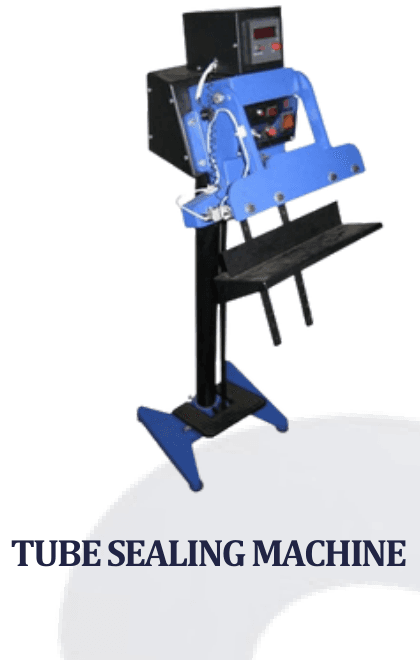
Compact sealing machines cover different pack formats and operating methods. A foot-operated machine, impulse sealer and tube sealer should not be treated as interchangeable because all create a seal. Match the material, seal geometry and loading task to the exact proposed model.
Which packaging sample should you send?
Provide filled bags or tubes in every regular size, together with the material supplier's information. Record seal width, pouch mouth width, filled weight and headspace where relevant. For a tube sealing machine, identify the tube material, dimensions and the condition in which it reaches the sealing station.
Ask the supplier to explain the intended application of the quoted impulse sealer, DH sealing machine or foot sealing equipment. Product names in catalogues are not a substitute for confirming the actual heating method and operating cycle.
How does the workstation affect production?
Observe the complete operator task: picking up the pack, presenting the seal area, activating the controls, waiting for the approved cycle and removing the pack. Include support for heavier bags and space for finished packs. Check whether two operators are being used in a demonstration of a station you expect one person to run.
For large or awkward packs, discuss the mobile sealer and the physical arrangement needed around it. Mobility does not remove the need for a stable working position, suitable utilities and safe access.
What requires special confirmation?
- Material compatibility and seal quality using your samples.
- Working dimensions, cycle and cooling requirements.
- Pouch or tube support and normal changeovers.
- Documentation for any application-specific equipment requirements.
How should you choose the final model?
A pneumatic vertical sealer needs its exact configuration checked against the site application. Use technical consultation to settle the scope, and the seal repeatability guide for acceptance checks.