
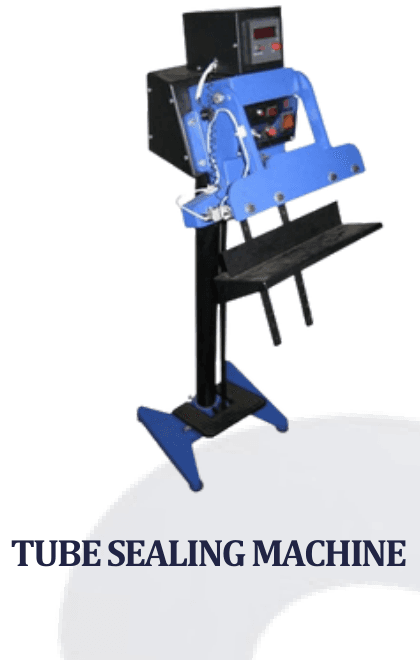
A compact sealing station depends on repeatable product preparation as well as the machine cycle. If operators present different amounts of material or release a pack before the approved cycle finishes, results can vary even when the controls have not changed. Use a written procedure tied to the installed model.
What should the loading routine define?
Identify the pack material, fill level and intended seal position. Keep product away from the sealing area and use the supplier's method for supporting the filled pack. Specify which checks an operator performs before starting a cycle on the impulse sealer or DH sealer.
For tube sealing, record the tube orientation and the condition of the open end before sealing. Compare samples after the full prescribed cycle. Do not transfer a setup from a bag sealer to a tube machine simply because the materials look similar.
How should seal quality be judged?
Agree a visible standard and an appropriate integrity test for the actual package. Inspect cooled samples, including the corners and any multilayer or gusset area. Record folds, contamination, openings and inconsistent seal positions as separate defects.
If results change, compare the material batch, product preparation and approved recipe before adjusting settings. Operators should make only the changes allowed in the manual. Repairs, cleaning inside the sealing area and wear-part replacement require the prescribed safe isolation procedure.
Which observations help prevent repeated rejects?
- Product and material identifiers for each batch.
- The first accepted sample after setup or changeover.
- Defects occurring at startup versus later in a shift.
- Approved maintenance and replacement-part records.
When should you request a review?
Contact after-sales support when acceptable seals cannot be reproduced using the approved procedure. Include pack photographs and the machine model. The compact sealer selection guide helps identify whether changes in pack size, material or operator handling need a different configuration rather than another setting adjustment.